Table of Contents
- Common Causes of Drain Clogs
- Preventive Measures
- DIY Methods to Clear Clogs
- When to Call a Professional
- Maintaining Clear Drains
Clogged drains can quickly disrupt the flow of your home, leading to inconvenience and potential plumbing expenses. Knowing how to prevent and fix blockages efficiently not only keeps your plumbing operational but also saves significant time and money in the long run. Whether you’re dealing with frequent stoppages in the kitchen or mysterious slow drains in your bathroom, understanding both prevention and resolution is essential. If you’re in Georgia and experiencing persistent clogs, consider professional drain cleaning to keep your pipes in top condition.
By being proactive and adopting a combination of simple daily habits and home remedies, you can significantly reduce the chances of encountering drain problems. This comprehensive guide covers the leading causes, effective prevention strategies, home solutions, and when it’s time to seek professional intervention. Homeowners who integrate these practices enjoy peace of mind and fewer plumbing emergencies.
Minor issues, such as slow drainage, are early warning signs that shouldn’t be ignored. Acting quickly can prevent minor problems from escalating into costly repairs or significant water damage. Beyond clogs, maintaining a healthy plumbing system also protects your house’s value and ensures daily convenience for you and your family.
Common Causes of Drain Clogs
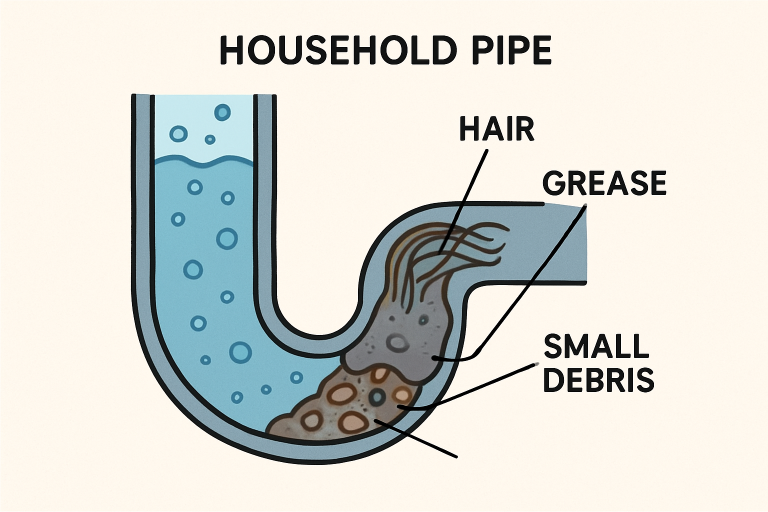
Household drains are susceptible to blockage due to routine habits and overlooked actions. The most frequent culprits include:
- Grease and Oil: Pouring fats or cooking grease down your kitchen sink, even in liquid form, can lead to solidified buildup as they cool in your pipes.
- Hair and Soap Buildup: Bathroom drains often collect hair, which binds with sticky soap scum, forming stubborn knots that water can’t push through.
- Foreign Objects: Toilet paper substitutes, leftover food, wipes, and even small children’s toys sometimes find their way into drains, creating immediate blockages.
- Mineral Buildup: Homes with challenging water experience gradual pipe narrowing from mineral deposits, dramatically reducing water flow over time.
Preventing these issues starts with understanding where and how clogs form. The kitchen, bathrooms, and laundry areas are typically the most vulnerable spots due to frequent use and exposure to a variety of wastes. If you’re planning remodeling in these areas, it’s the perfect opportunity to upgrade your plumbing or install strainers and traps that minimize future blockages.
Preventive Measures
Simple habits can dramatically reduce the likelihood of clogged pipes. Try incorporating these strategies into your household routine:
- Proper Disposal of Grease: Collect grease in a container and dispose of it in the trash, rather than pouring it down the drain. Guidance on proper disposal can be found at This Old House. This small step can prevent major obstructions.
- Use Drain Strainers: Mesh screens or baskets in sinks and tubs catch debris, such as food particles and hair, before it reaches the pipes.
- Regular Hot Water Flushing: Weekly flushing of drains with hot water (with or without a splash of vinegar or baking soda) can break down minor buildup and keep passageways clear.
- Skip Harsh Chemicals: Avoid over-the-counter drain cleaners, which can corrode pipes and lead to leaks. Natural alternatives such as baking soda and vinegar provide gentler maintenance and are better for pipe longevity and your health.
Encourage all household members to be mindful of what goes down the drain to prevent unintentional clogging. Posting a simple reminder near sinks and showers can reinforce good habits.
DIY Methods to Clear Clogs
If, despite your best efforts, a clog does develop, several do-it-yourself remedies can often resolve the issue quickly and affordably:
- Boiling Water: Pouring a pot of boiling water down the drain may dissolve fatty and soapy blockages, especially in kitchen sinks.
- Baking Soda and Vinegar: Pour half a cup of baking soda, then half a cup of vinegar, down the drain, allowing the foaming reaction to run for 30 minutes before flushing with hot water. This classic remedy is ideal for organic debris.
- Plunger: For sinks and tubs, a plunger can often dislodge clogs by creating suction. Use a cup plunger for sinks and a flange plunger for toilets, ensuring a tight seal before plunging vigorously.
- Drain Snake: Handheld drain snakes reach down into pipes to break up or retrieve hair and other obstructions. Insert, rotate, and pull out slowly to remove as much blockage as possible.
If clogs persist after several DIY attempts, it’s crucial to pause further intervention and reassess the situation to avoid pipe damage.
When to Call a Professional
Stubborn or chronic clogs, sewage odors, gurgling noises, or slow-draining water after DIY methods are red flags that you need an expert. A professional plumber can use advanced equipment, such as hydro-jetting or video pipe inspection, to locate and clear tough obstructions and diagnose underlying issues. In many cases, deep-seated blockages or older plumbing systems require specialized attention to prevent leaks or backups.
Maintaining Clear Drains
Preventive maintenance is the best way to ensure trouble-free drains for a lifetime. Pair regular cleaning with annual professional inspections, especially before or after major home renovation work. Be vigilant with children and guests by advising on proper disposal habits and what not to flush or drain.
By combining innovative household practices with timely professional care, you can eliminate the stress of sudden clogs and protect your home’s plumbing infrastructure for years to come.


